Selling a pack of sessions instead of a fixed run
How to price a bundle of sessions families use when they like, the rules worth putting around it, and why a pack still does not reserve a place.
3 min read
When a pack is the right thing to sell
Some families will not sign up to a Tuesday for ten weeks. Shift patterns, two children in two places, a sport that clashes every other week. They want the sessions without the timetable, and a pack is how you sell to them.
With ordinary enrolment, a family books a run of sessions and those are the sessions they have. With a pack they buy a quantity of sessions — or unlimited sessions — usable over a window, and choose which ones to attend.
It does not suit a programme that builds week on week, or one where you need the same children in the room each time. If the group matters, sell the group.
How a pack is priced
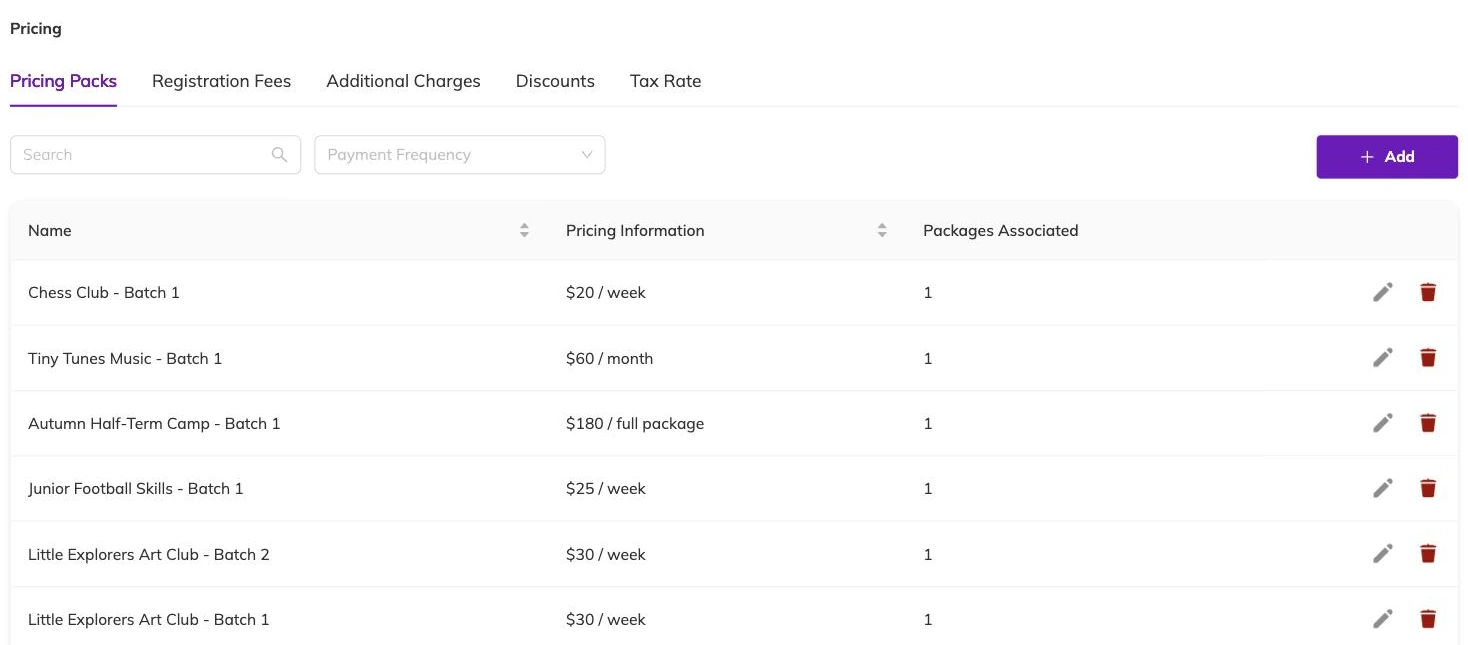
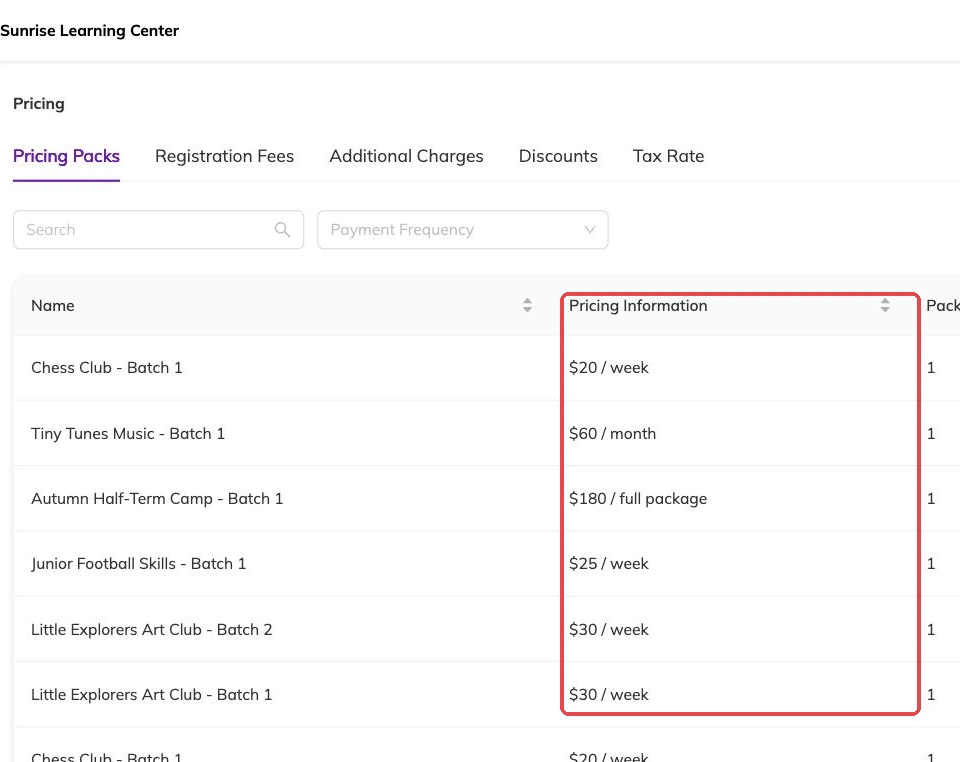
A pack is a price option on the programme. Instead of pricing the whole run or a month, you price a quantity of sessions and set how long the family has to use them.
The window is either fixed dates or a length that runs from the moment they buy — a number of days, weeks or months. Fixed dates suit a term pass everyone buys at the same time. A rolling length suits a pass you sell all year round.
You then attach the pack to the batches it can be spent on. A pass that works across your weekday classes but not your holiday camp is a matter of which batches you attach it to, not a separate programme.
Letting families choose their sessions later
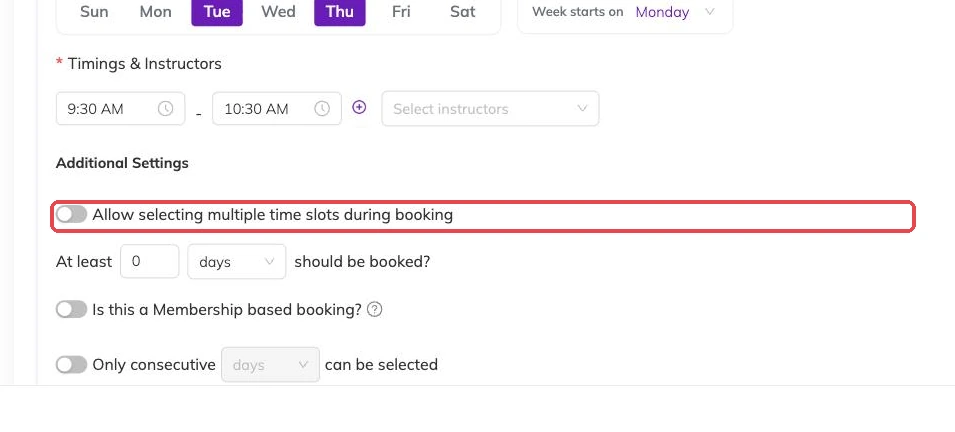
A batch can let families pick their sessions after they book rather than during. That is the difference between a pass and a booking.
Set how much notice you need, in hours or days, before a family can claim a place. Without it, sessions get claimed as the doors open and your registers are guesswork.
Every session a family claims takes a place in that session, exactly like an ordinary booking.
Rules worth setting, and rules worth leaving alone
Keep to the rules you would enforce at the door. Every extra rule is another way for a family's chosen session to be refused, and every refusal arrives as a phone call to you.
- How many sessions the pack covers, or that it is unlimited within its window.
- How many of those sessions can be used in a single week.
- Whether the sessions have to fall within consecutive weeks, so a ten-session pack is not stretched across a year.
- Which day your week starts on, since that decides where one week ends and the next begins for the rules above.
A pack does not reserve a place
Buying a pack buys sessions, not guaranteed places. A family holding credit cannot claim a session that is already full.
If the programme has a waitlist they join it like anyone else. If it does not, they are turned away holding a pass they have paid for. Waitlists covers how the queue moves.
Money, and what happens on a cancellation
Packs are invoiced like any other price option, and any registration fee, extra charge or tax attached to it rides along. Invoices and payments covers what families receive and when.
When a booking made against a pack is cancelled, the places it held are released immediately and any discount it used goes back to be used again. The invoice is cancelled unless something has been paid against it, in which case it comes off your outstanding list. Cancellations and refunds sets out both cases.
More on programmes
Activities and how they attach to programmes
Group what you run — ballet, swimming, guitar — so a parent can tell what a programme is and a report can total a subject rather than eleven programme names.
The page families book from
What families see on your booking page, what decides how a programme appears in the list, and the five reasons one is missing.
Checking what is actually running
How to see every session your batches produce across programmes, instructors and centres, and the checks worth doing there before a term opens.