Invoices and payments
How invoices are created, what partial payments mean, and how discounts and taxes are applied.
6 min read
When an invoice is created
An invoice is raised when a booking is created, priced from the package's pricing and the number of sessions booked. A family booking several children gets one grouped invoice rather than one per child.

Partial payments
Where you allow it, a family can pay part of an invoice up front and the rest later — a deposit to hold a place, with the balance due before the programme starts. Partially paid invoices behave differently on cancellation: rather than being marked cancelled, they're removed from the outstanding list.
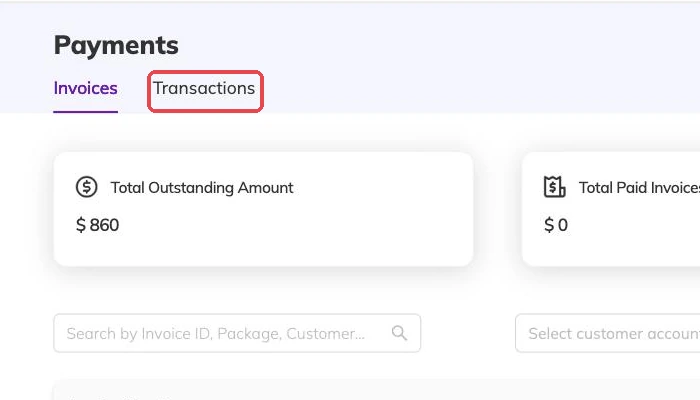
Discounts
Discounts can be limited to a number of uses. When a booking that used a limited discount is cancelled, the use is returned to the pool so the code isn't wasted. Sibling discounts apply across a group booking rather than to a single child.
Chasing payment
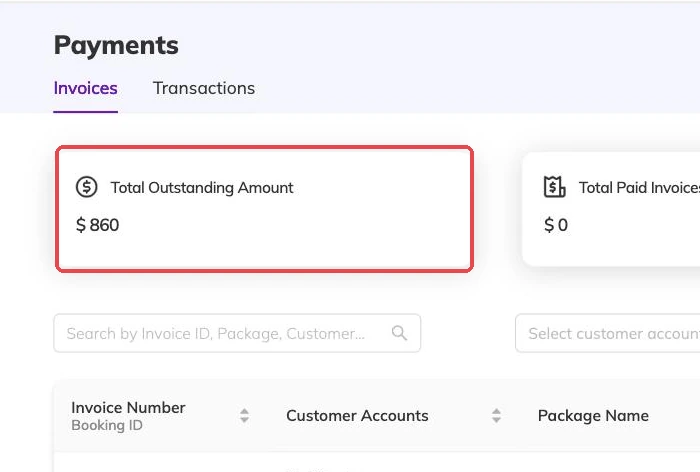
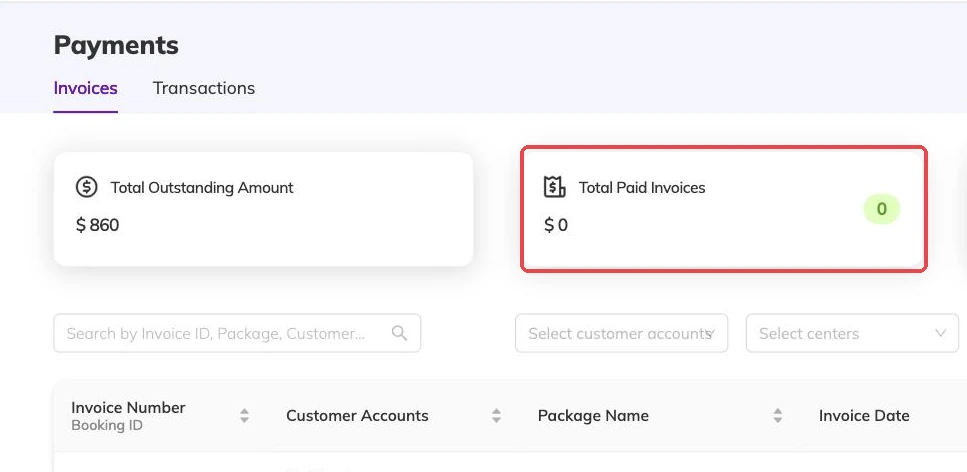
Outstanding balances are visible per family, so you can see who owes what without exporting anything. Automated reminders save the awkward conversation — most centres find a reminder a few days before the due date collects more than one sent after it.
More on money
Automatic recurring payments
Collect monthly and weekly fees from a card the family has already saved, and know what to check when a collection fails.
Outstanding balances and reminders
See who owes what today, send a reminder that is logged against the invoice, and recognise the balances that should never be chased at all.
Discounts, codes and automatic offers
Flat and percentage discounts, codes versus automatic offers, new-customer and returning-customer pricing, and discounts that apply themselves based on answers families give.