Packages and batches explained
The difference between a package and a batch, when to use recurring versus fixed-date schedules, and how capacity is counted.
6 min read
Packages are what families choose; batches are what they book
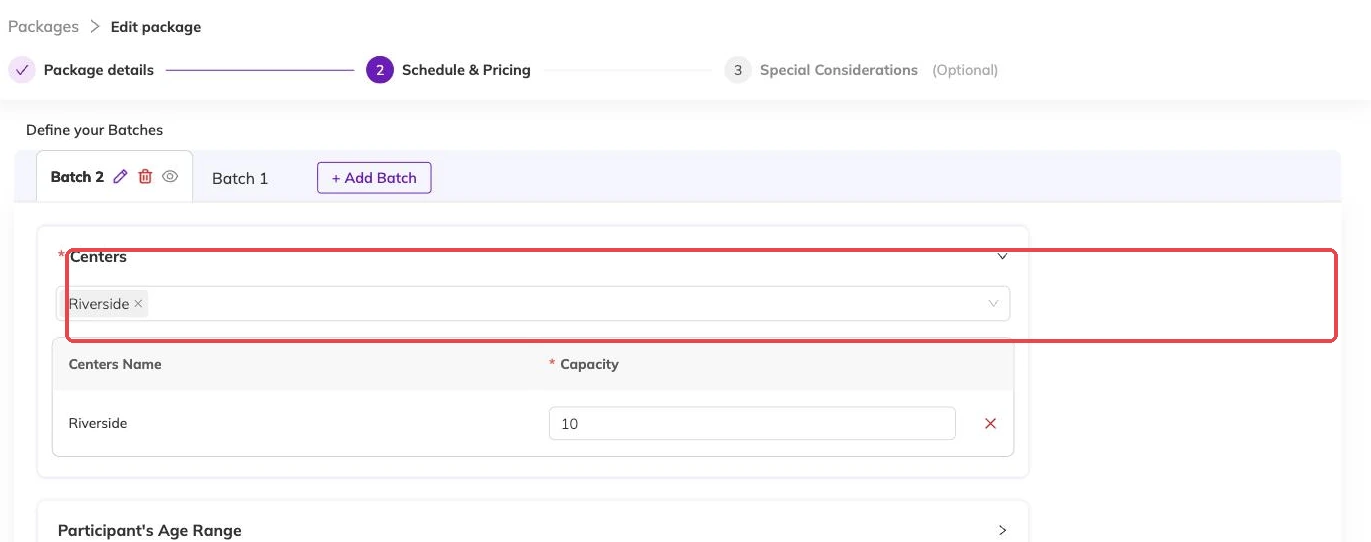
A package is the offering — "Little Explorers Art Club". A batch is a specific schedule within it — "Tuesdays and Thursdays, 4–5pm, ages 4–6". One package can hold several batches, which is how you offer the same programme at different times, for different age groups, or at different centres without duplicating the whole thing.
Pricing attaches to the package, capacity to the batch. That split matters: two batches of the same package can fill at different rates and waitlist independently.
Recurring or fixed dates
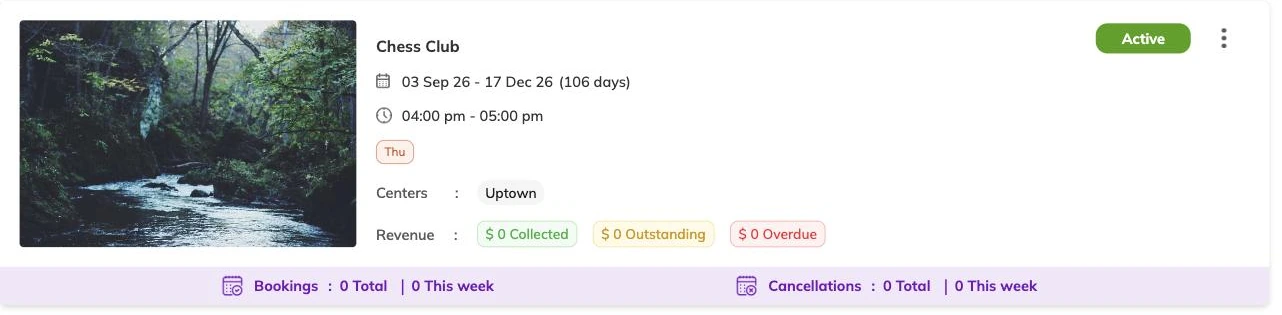
A recurring batch repeats on chosen weekdays between a start and end date — every Tuesday and Thursday from September to December. A fixed-date batch runs on specific dates you list, which suits camps and one-off workshops.
This choice affects how families pick dates when booking, and it can't be switched cleanly once bookings exist. Decide before you publish.
How capacity works
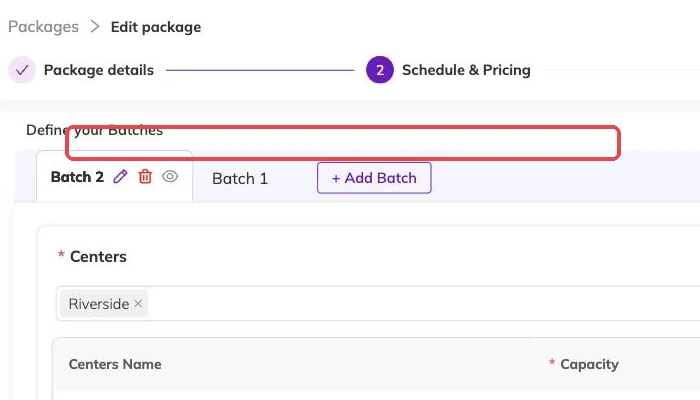
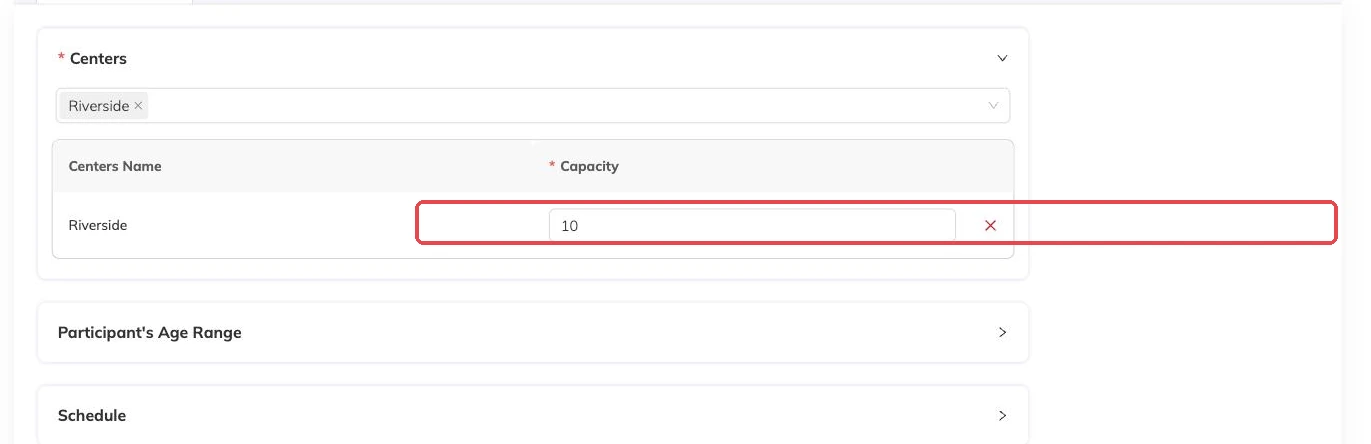
Capacity is counted per session, not per package. Each session in a batch tracks how many participants are booked onto it, and a booking that spans eight Tuesdays takes a place in all eight.
When a booking is cancelled, the places it held are released back immediately and become available to other families. You don't need to do anything to free them up.
Age ranges
Batches can specify an age range. This filters what families see and is also what powers suggested activities for centres connected to Illumine — a child is only shown programmes they're actually eligible for.
More on programmes
Activities and how they attach to programmes
Group what you run — ballet, swimming, guitar — so a parent can tell what a programme is and a report can total a subject rather than eleven programme names.
The page families book from
What families see on your booking page, what decides how a programme appears in the list, and the five reasons one is missing.
Checking what is actually running
How to see every session your batches produce across programmes, instructors and centres, and the checks worth doing there before a term opens.